A common feeling among most of us is that there is not enough time in our days. Sometimes, we steal a few hours of sleep to get things done, but optimally our body craves sleep and we know it is time to rest. Spending a third of our day sleeping may seem like a colossal waste of time with all that has to be done. However, it is a necessary part of the human cycle. I recently have been listening to health specialist Max Lugavere’s podcasts. I found one of his podcasts with nutritionist Shawn Stevenson, from The Model Health Show, particularly interesting regarding sleep. Here are a few fascinating facts that I found by listening to this podcast!


Cortisol
→ Cortisol is our body’s main stress hormone and is known as our built in alarm (7). Studies show that lack of sleep from one or two days prior correlates with higher cortisol levels at night (Hint: the tired fights after working all day long) (1). Clearly, getting a goodnight sleep can fix this. Shawn recommends getting a few minutes of sun exposure first thing in the morning. This creates a spike in cortisol levels that will gradually decrease throughout the day. Remember that getting a good night sleep starts when you wake up, so take a few extra minutes to get outside.
Number of Hours of Sleep
→ Whenever I get less than exactly seven hours of sleep, I tell myself I am sleep deprived since I follow the “at least 7-8 hours a day” rule very seriously. Shawn reasoned in the podcast that there is no set number of hours to sleep since everyone is different. The National Sleep Foundation (NSF) recommends 7-9 hours but this information has been changing. The NSF tells people to note how they feel after different amounts of sleep. The aim should be to get the 7-9 hours each night, but it is important to factor in your own lifestyle and how much sleep benefits you (2).
Stop Shift Work
→ Most people do not have the luxury of the typical 9am to 5pm job, but let’s hope it is not the worse 9-5. Shift work messes up all 5,000 hormones that go into the circadian rhythm in order to sleep at night. Circadian rhythm is an internal sleep-wake cycle that regulates every 24 hours and can be manipulated by sunlight and temperature (3). A study found that nurses who did shift work were 30% more likely to develop breast cancer than those who did not work late hours. Shawn said in order to be healthy or to lose weight, you must stop shift work and sleep normally.
Blacking Out
→ The weekend rolls around and it is time to get some good drinks. Sipping a couple of drinks with friends is harmless but when someone blackouts, there are countless reasons why this is bad. During a blackout, their R sleep is suppressed from drinking. Even though the person appears to be sleeping, their short term memories that are usually processed during the R phase are disrupted. This is why people cannot remember what happened the next day. Learn to drink without messing up your sleep cycle and the following day.
Melatonin
→Melatonin is known as the sleep hormone. It helps regulate the internal sleep-wake cycle which is the circadian rhythm (4). Despite mostly being referred to sleep, melatonin is also linked to weight regulation. A study tested on mice found that increased melatonin supplementation increases brown adipose tissue (BAT) and improves levels of cholesterol and triglycerides without the adjustment of any other factors (5). Brown adipose tissue is dense with mitochondria containing iron which gives the fat its brown color and name. Additionally, brown fat is specialized to burn fat compared to another type of fat called white fat (6). In mice, the brown fat burns more calories and there is a direct relation between mice with extra brown fat and being leaner (7). The bottomline is, if you take melatonin to help you sleep, you might also be helping to build that brown fat and lose some weight.
This podcast was packed with more interesting information, and I highly suggest listening to it by clicking here if you have spotify or listening through Apple.
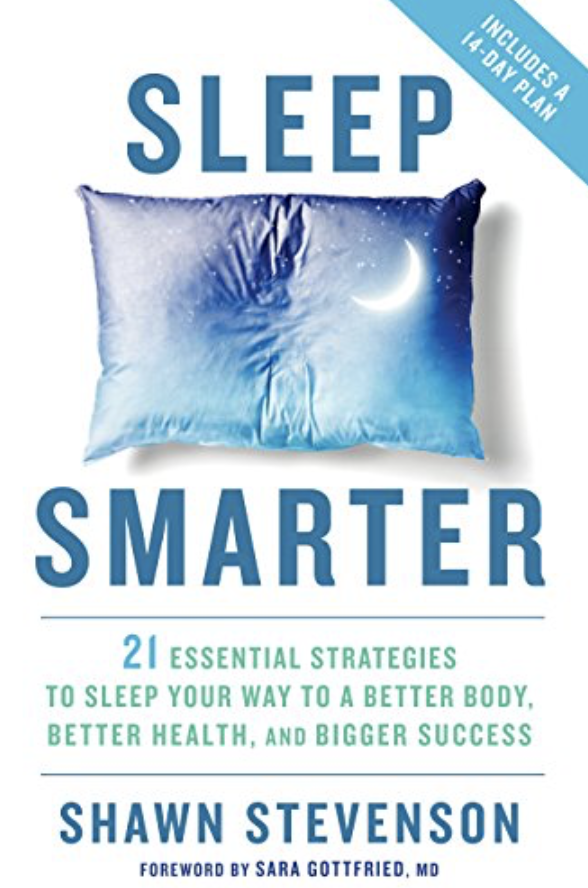
Shawn Stevenson also has a book that I heard is very good. Click the photo for the link.
Resources
Information mainly from Max Lugavere's Genius Life Podcast #37: How to Optimize Sleep for Fat Loss and Better Health
One NCBI
Two Sleep Foundation
Three Science Daily
Four WebMD
Five Diabetes Journal
Six Directors Blog
Seven WebMD